Popular tours
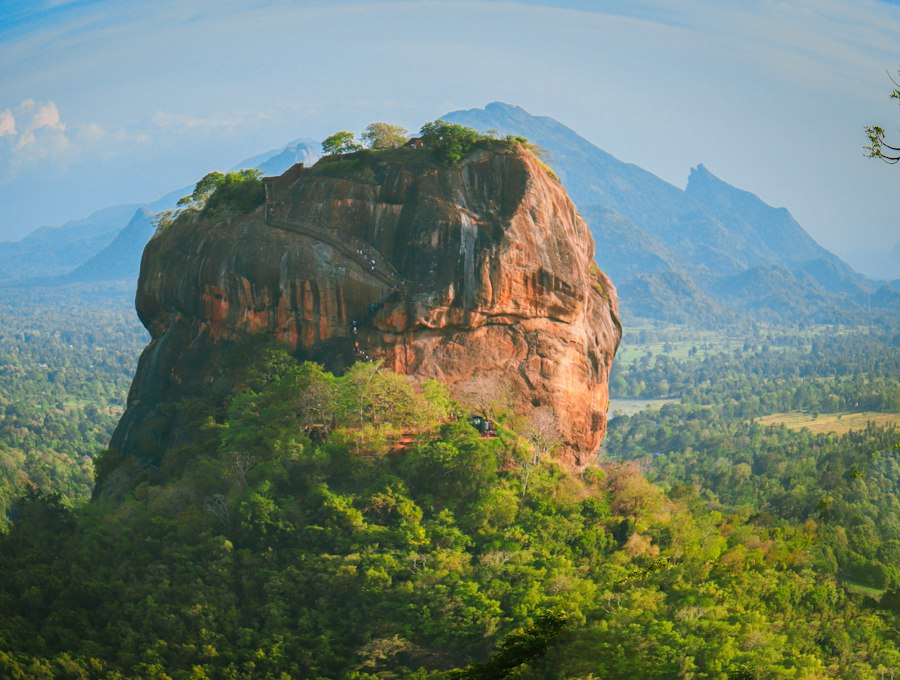
Classic Island Highlights
The round-island route, seven to fourteen days: Cultural Triangle, hill country and the south coast in one loop.
View this tourFree custom itinerary consultation — zero obligation
Destinations
Sri Lanka is small enough to cross in a day and varied enough to fill three weeks. These are the six regions we build private itineraries around — the ancient cities of the Cultural Triangle, the tea hills, the beaches on both coasts, the Jaffna Peninsula in the far north, and the two gateway cities everybody flies into. Tell us which ones matter to you and we will work out the order, the driving times and the seasons.
Free custom itinerary consultation — zero obligation
The island at a glance
Nowhere in Sri Lanka is more than a long day's drive from anywhere else. Select a region to see what it covers and how it usually fits into a trip.
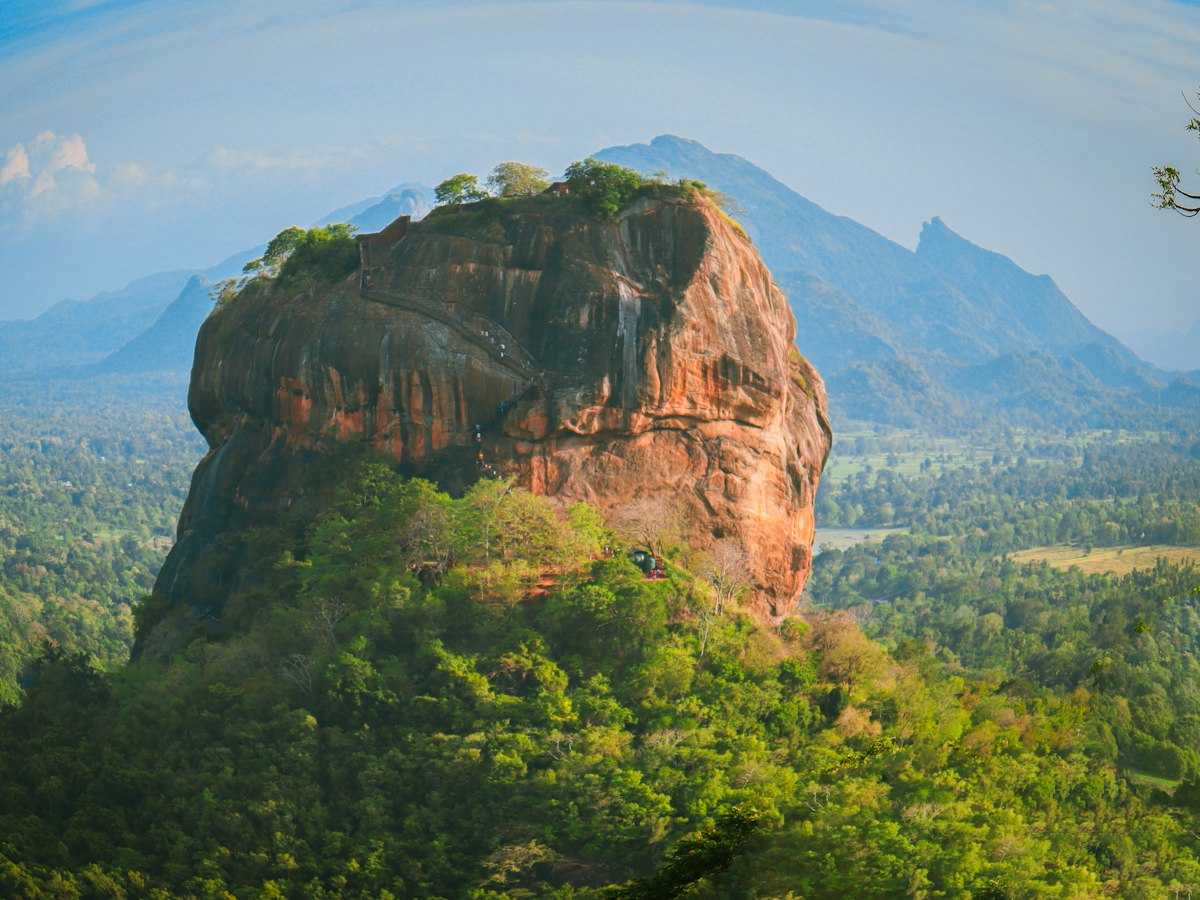
The dry-zone plain in the north-centre of the island, holding two abandoned capitals, a rock fortress and a painted cave temple — four UNESCO World Heritage sites within an easy drive of one another.
Sigiriya · Dambulla · Polonnaruwa · Anuradhapura · Habarana
See these five destinations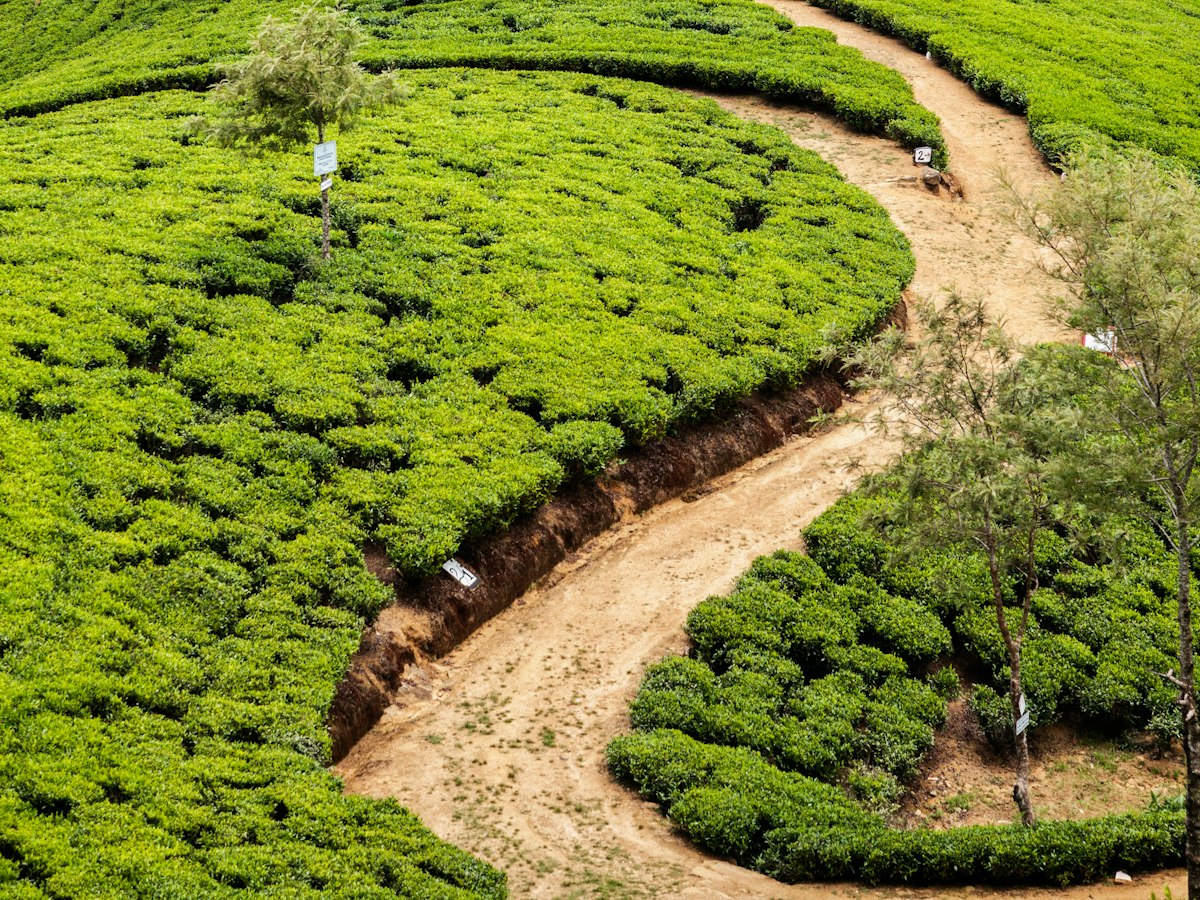
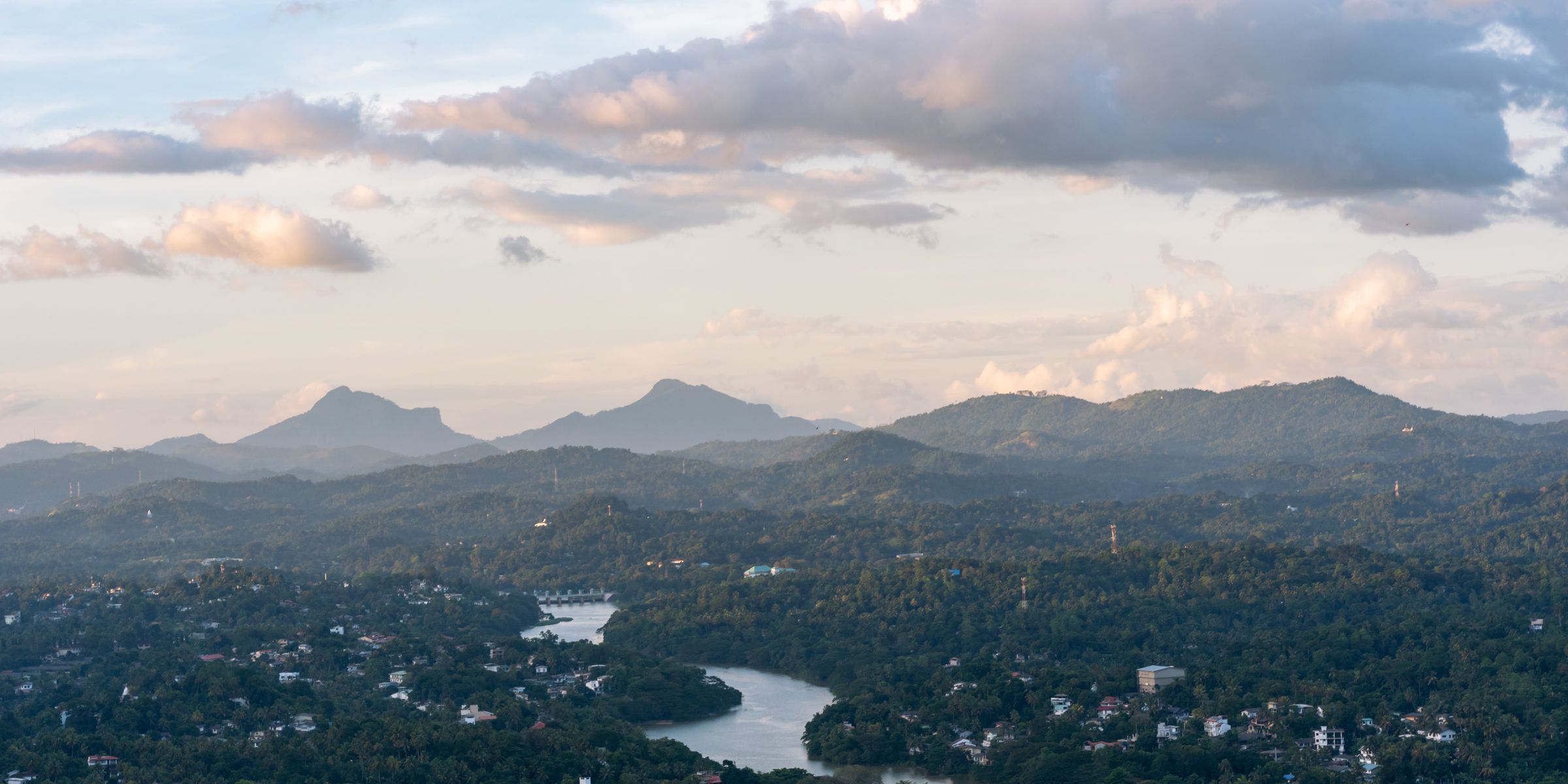
Cool air, cloud forest and tea estates laid out in terraces, reached by the mountain railway that climbs out of Kandy. The coldest and greenest part of the country.
Kandy · Nuwara Eliya · Ella · Hatton · Haputale
See these five destinations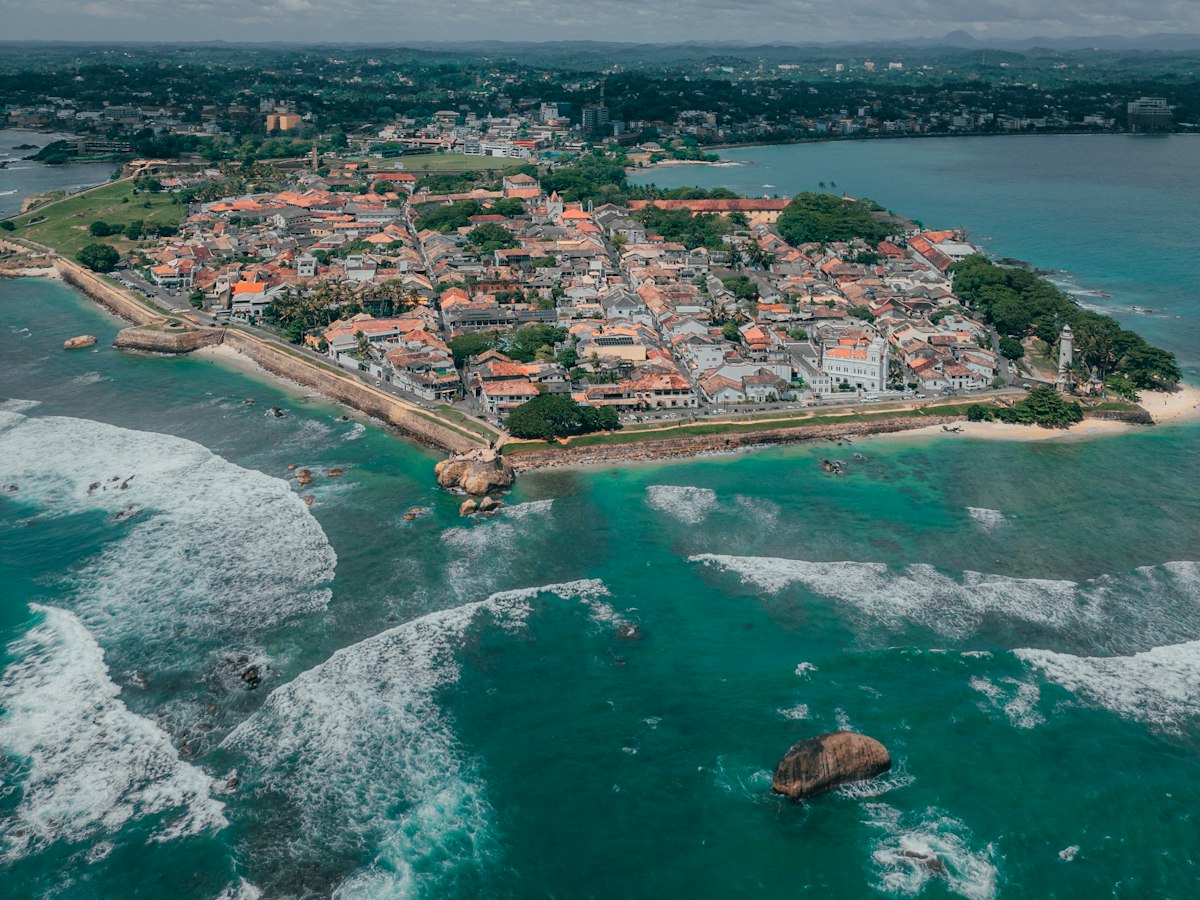
Where most itineraries finish: calm swimming bays, a Dutch walled town, whale watching in season and long quiet sand. At its best roughly between November and April.
Bentota · Hikkaduwa · Galle · Unawatuna · Mirissa · Tangalle
See these six destinations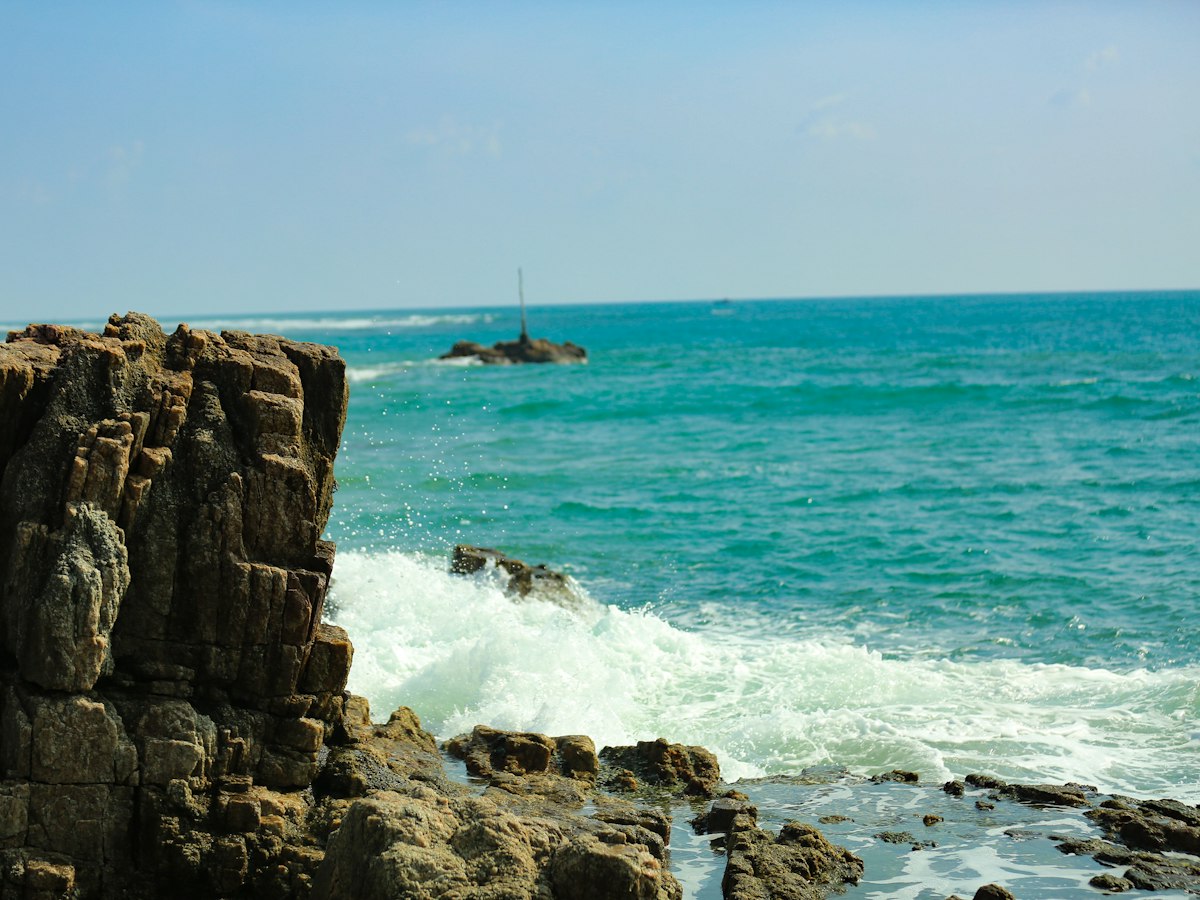
The opposite calendar to the rest of the island. Roughly May to September the eastern sea is flat and clear while the southwest is under monsoon — which makes the east the answer for a summer trip.
Trincomalee · Passikudah · Arugam Bay
See these three destinations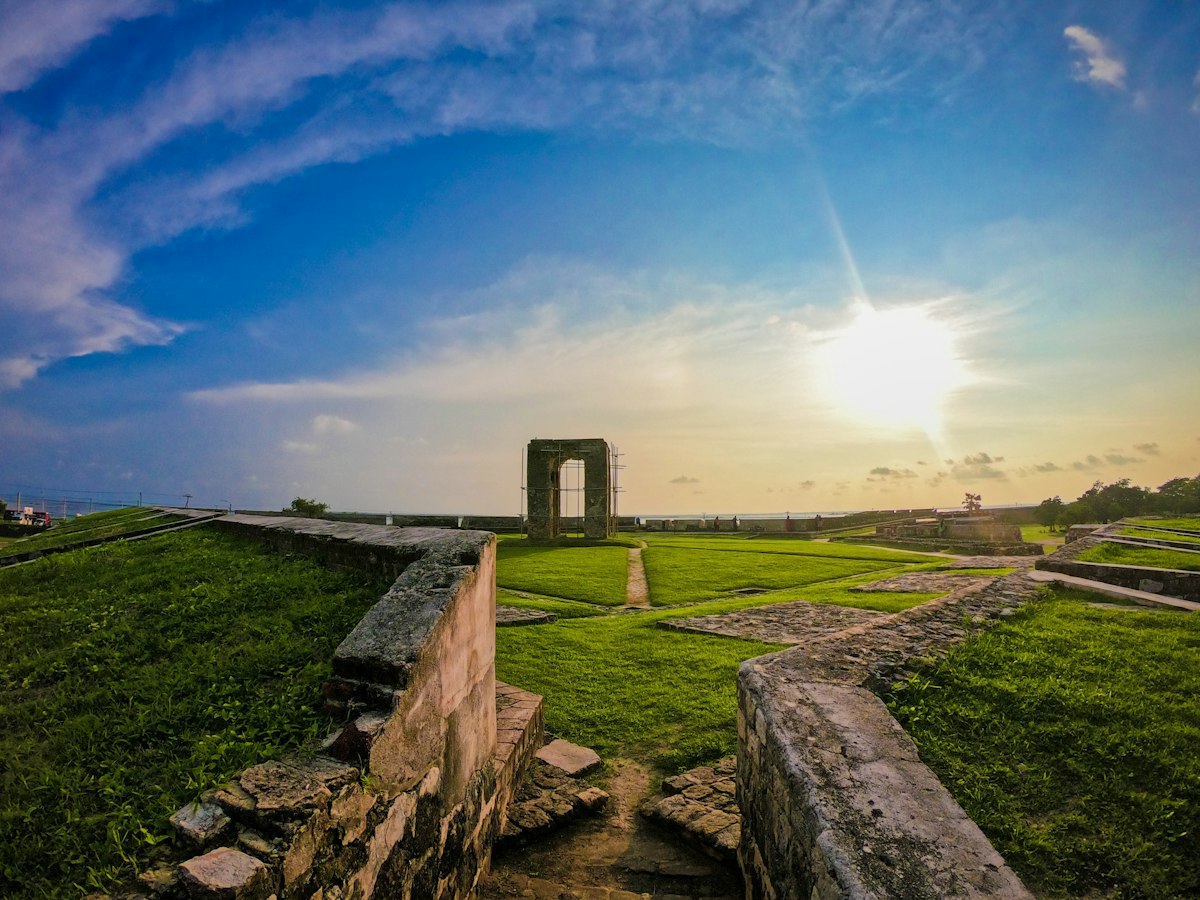
Flat, dry and palmyrah-covered, with its own language, food and temples, and a chain of small islands trailing off its western edge. The least visited part of the country.
Jaffna Peninsula
See this destination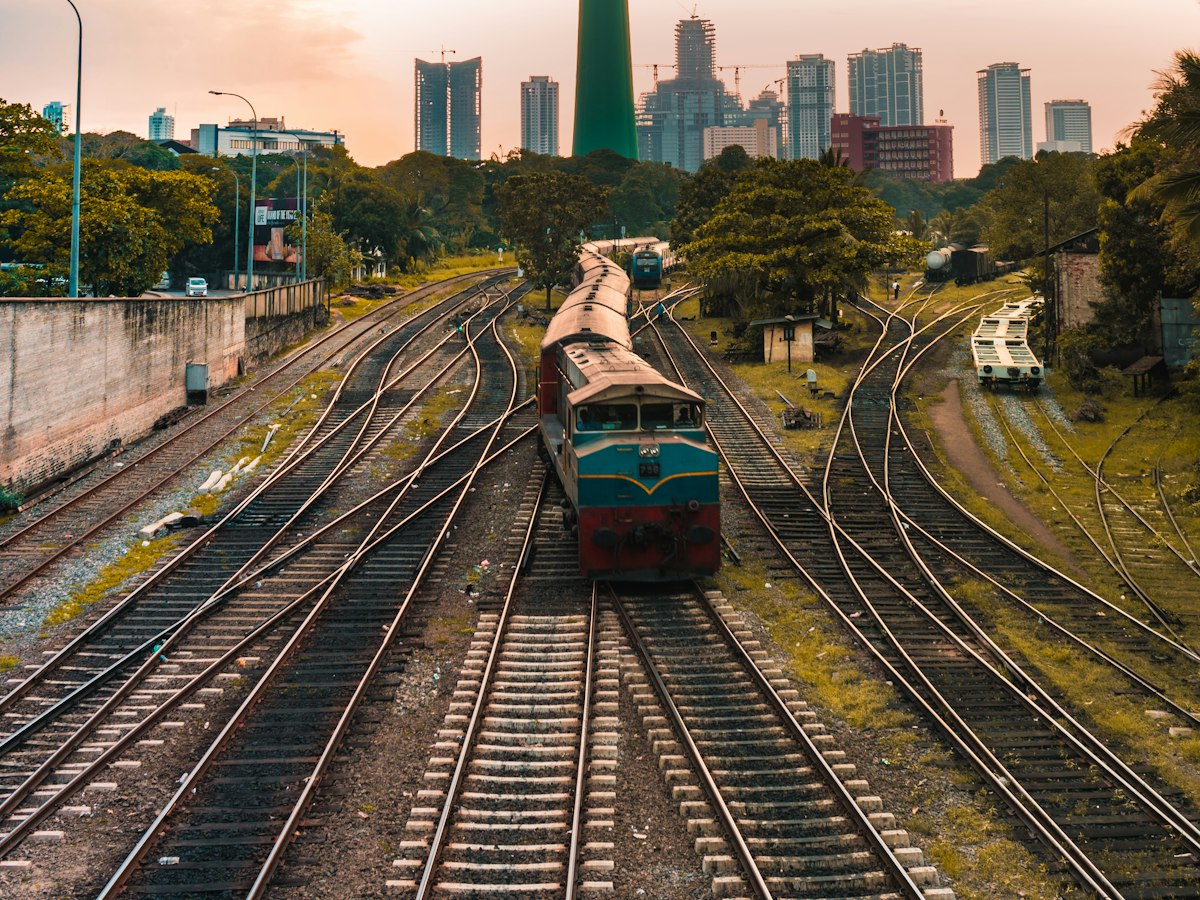
The gateway. Negombo sits ten minutes from the international airport and Colombo an hour further south — the first and last nights of almost every itinerary, and worth more than a transfer.
Colombo · Negombo
See these two destinationsRegion one
The oldest of everything in Sri Lanka sits on this dry northern plain: two abandoned royal capitals, a fortress on top of a rock, and a hillside of painted caves. Four of the five places below carry UNESCO World Heritage listings, and they are close enough together to see properly over two or three unhurried days.
Five destinations
 Cultural Triangle
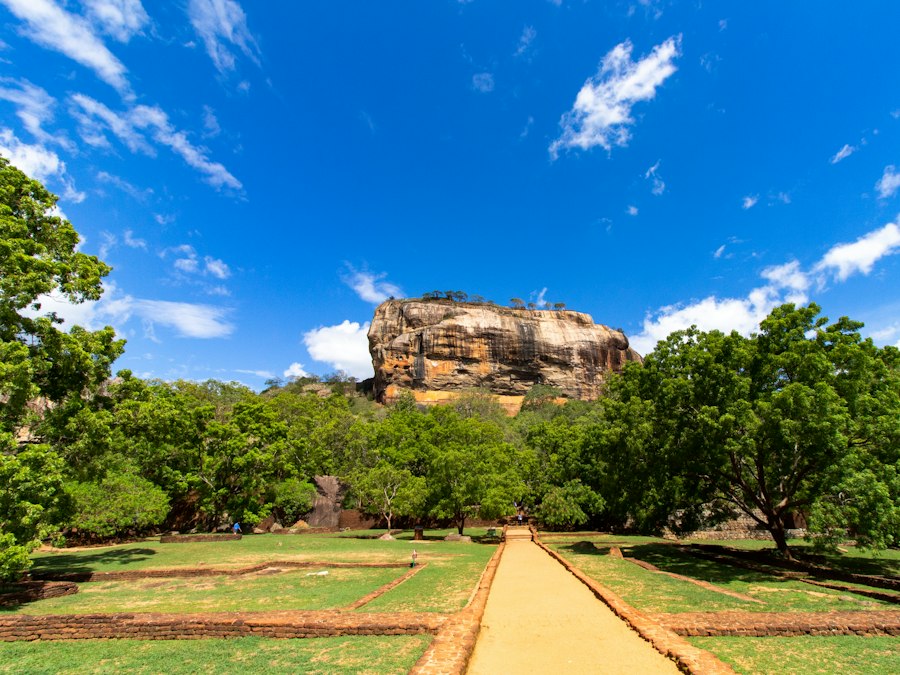
A sheer granite rock standing some two hundred metres above the plain, with the ruins of a fifth-century royal citadel laid out across the flat summit.
The climb runs to roughly 1,200 steps, past the sheltered gallery of frescoes and the polished mirror wall, then up through the giant lion's paws to the palace foundations and water gardens on top. Early morning is cooler and far quieter. Pidurangala, the smaller rock opposite, is where the photograph of Sigiriya itself is taken from.
 Cultural Triangle
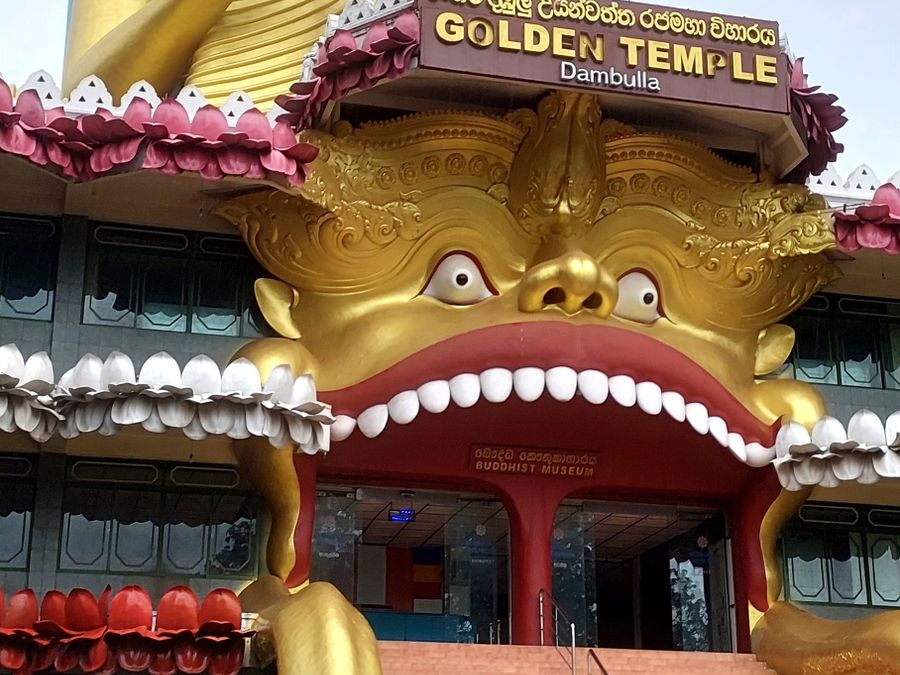
Five cave shrines cut into the overhang of a granite hill, filled with Buddha images and painted from floor to ceiling.
The Golden Temple has been in continuous religious use for more than two thousand years. The caves hold well over a hundred statues and some of the best-preserved mural painting in South Asia, with the ceilings following the natural curve of the rock above them. It is a short climb up from the road, and shoulders and knees need to be covered.
 Cultural Triangle
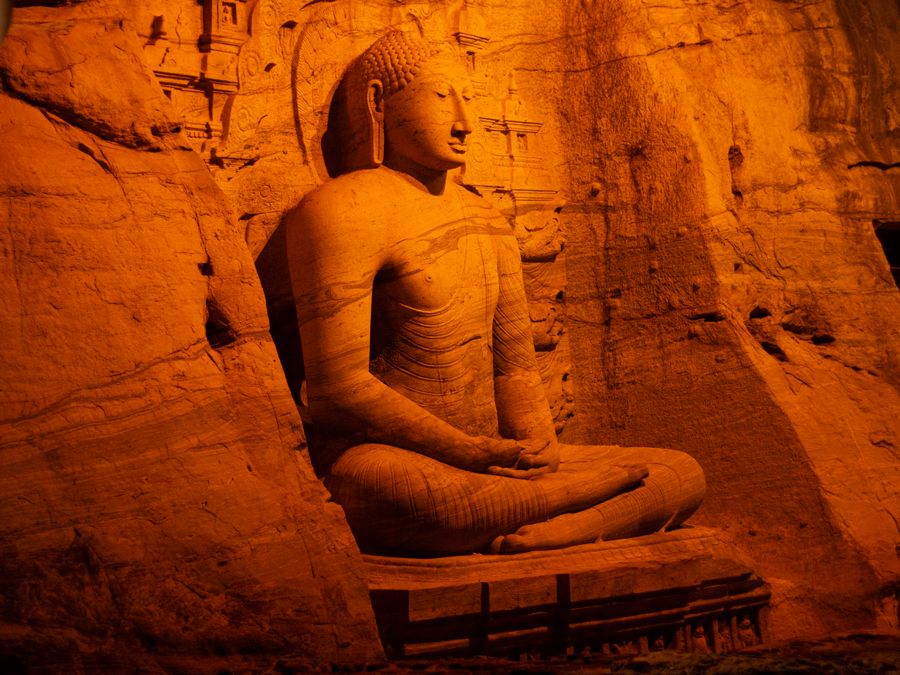
Sri Lanka's medieval capital, compact enough to see by bicycle — palace walls, council chambers and the rock-cut Buddhas of Gal Vihara.
The city was the island's seat of power through the eleventh and twelfth centuries, and the ruins sit close together across a flat, shaded park beside a vast man-made reservoir. Cycling between the quadrangle, the Lankatilaka image house and the reclining Buddha at Gal Vihara is the standard way to cover it, and the easiest in the heat.
 Cultural Triangle
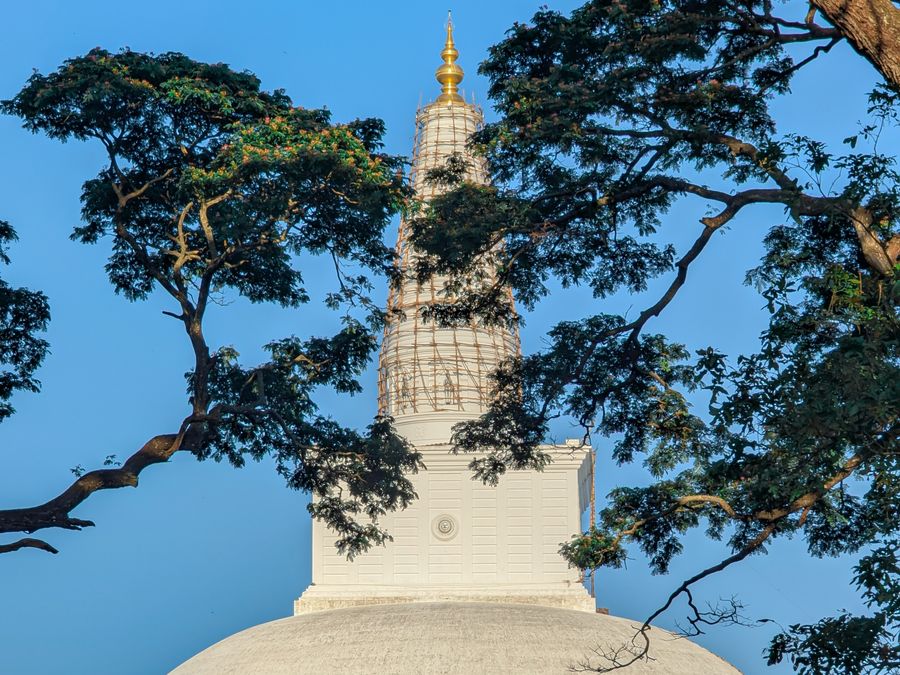
The island's first capital and still a living pilgrimage city, built around enormous brick stupas and a sacred fig grown from a cutting of the Bodhi tree.
Founded in the fourth century BC and the seat of power for well over a thousand years, Anuradhapura is spread out rather than compact, so it is usually seen by vehicle with short walks between the sites. Ruwanwelisaya, Jetavanaramaya and the Sri Maha Bodhi are the three most visitors come for. White clothing is customary at the sacred precincts.
 Cultural Triangle
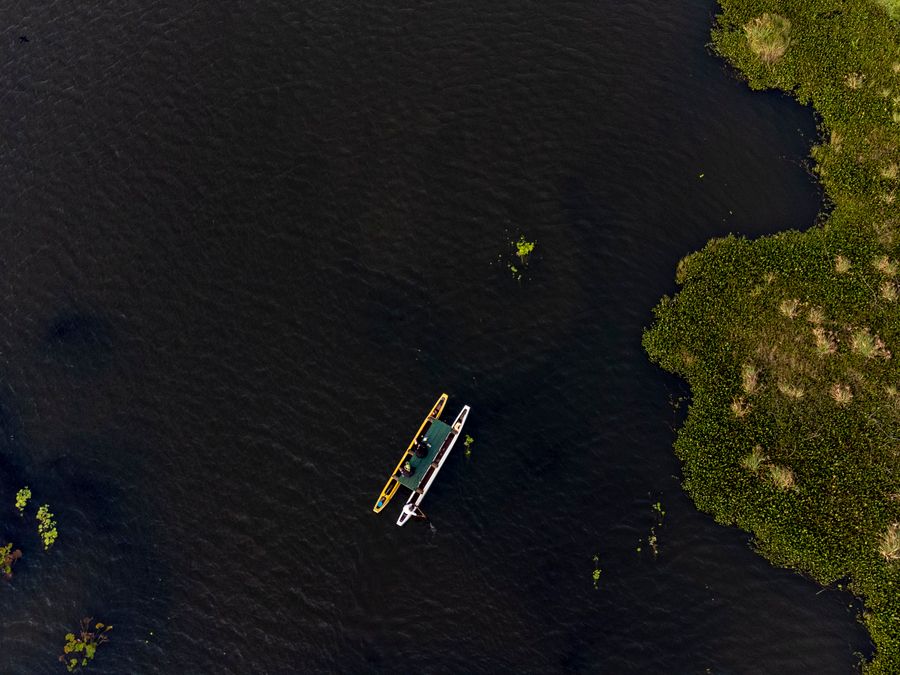
A small crossroads village at the centre of the triangle, ringed by scrub jungle, reservoirs and elephant country — the practical base for everything around it.
Not much happens in Habarana itself, which is exactly why it works as a base. Sigiriya, Dambulla and Polonnaruwa are each within an easy drive, and the open grasslands of Minneriya, Kaudulla and Hurulu — where herds gather at the water's edge in the late afternoon — are closer still. Jeep safaris, lake canoeing and village walks all start from here.
Region two
Inland from Kandy the land climbs sharply into tea country — cool air, cloud forest, waterfalls and plantations cut into terraces. The mountain railway runs right through the middle of it, and the ride from Kandy down to Ella is one of the journeys we build itineraries around.
Five destinations
 Hill Country
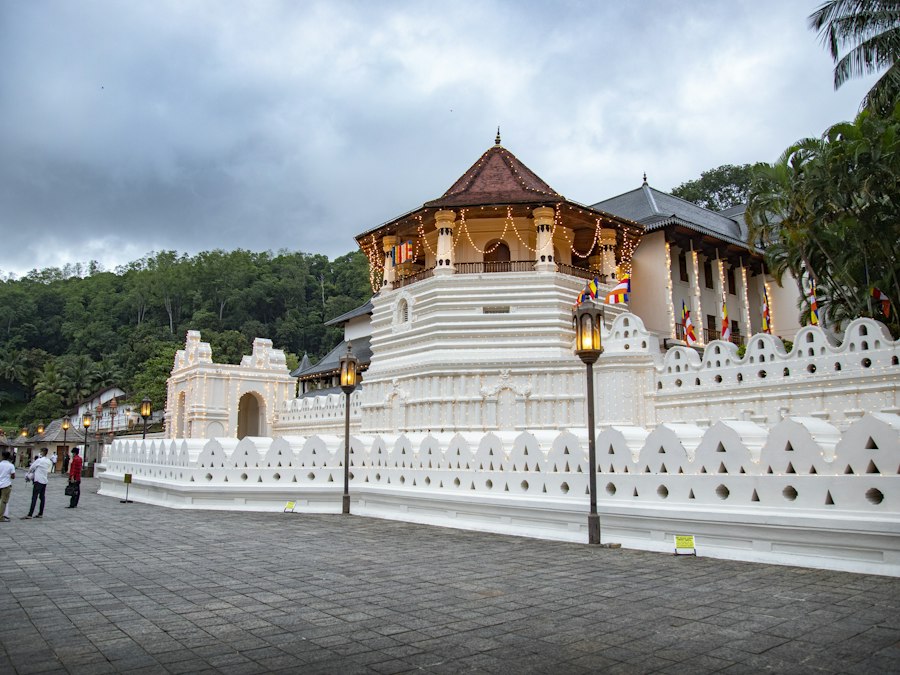
The last royal capital of Sri Lanka, set around a lake in a bowl of green hills, and home to the Temple of the Sacred Tooth Relic.
Kandy has kept the ceremonial life of the old kingdom: evening puja at the temple, Kandyan dance and drumming, and the botanical gardens at Peradeniya just outside town. It is also where the hill-country railway begins, which makes it the usual overnight stop between the Cultural Triangle and the tea estates.
 Hill Country
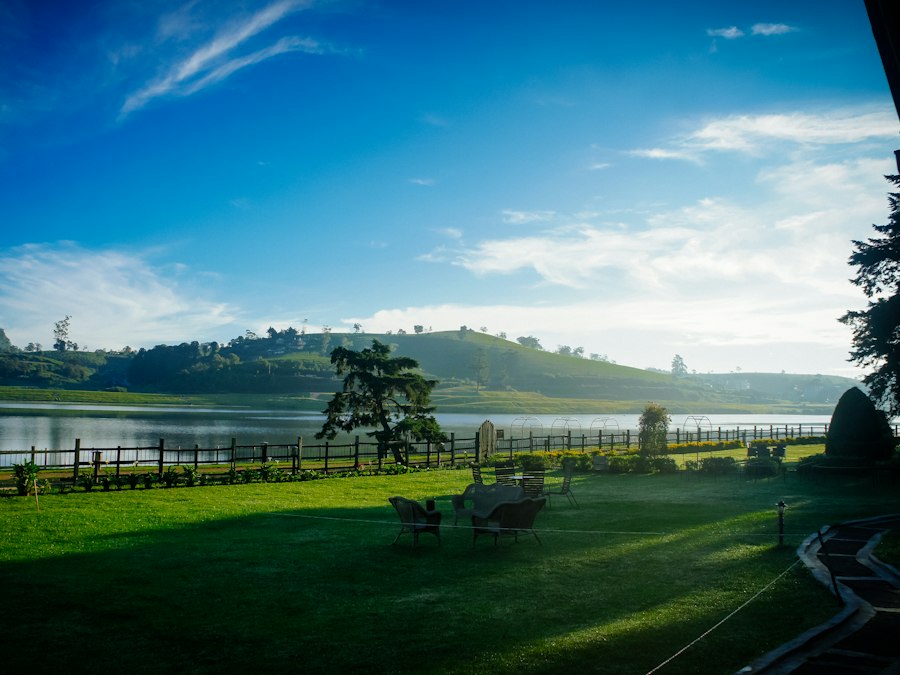
Tea country at around 1,900 metres, with clipped hedges, a racecourse and brick-chimney bungalows left behind by the British planters.
The nickname Little England is earned: it is genuinely cold after dark, the lake is lined with hedgerows and the old post office still has its red brick clock tower. Working estates and factories surround the town, high tea is a local institution, and Horton Plains with the World's End escarpment is a pre-dawn drive away.
 Hill Country
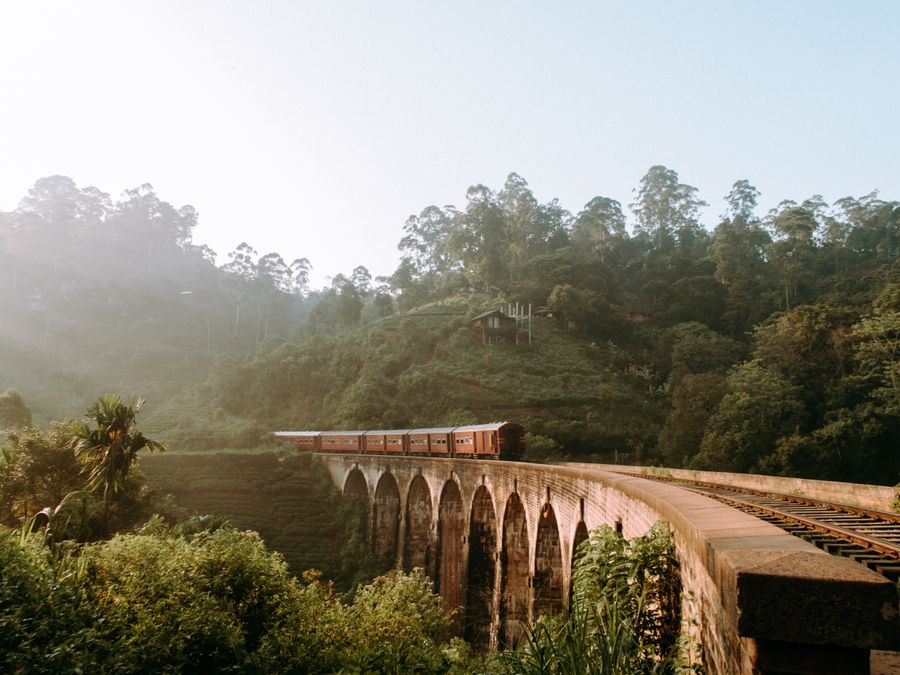
A small town on the southern edge of the plateau, known for the Nine Arch Bridge, short ridge walks and a gap in the hills that opens all the way to the coast.
Little Adam's Peak is an easy hour on foot and gives you the whole valley; Ella Rock is longer and considerably steeper. The nine-arch viaduct below the town is one of the most photographed places in the country, and the train in from Kandy or Nuwara Eliya is the reason most people arrive here rather than drive.
 Hill Country
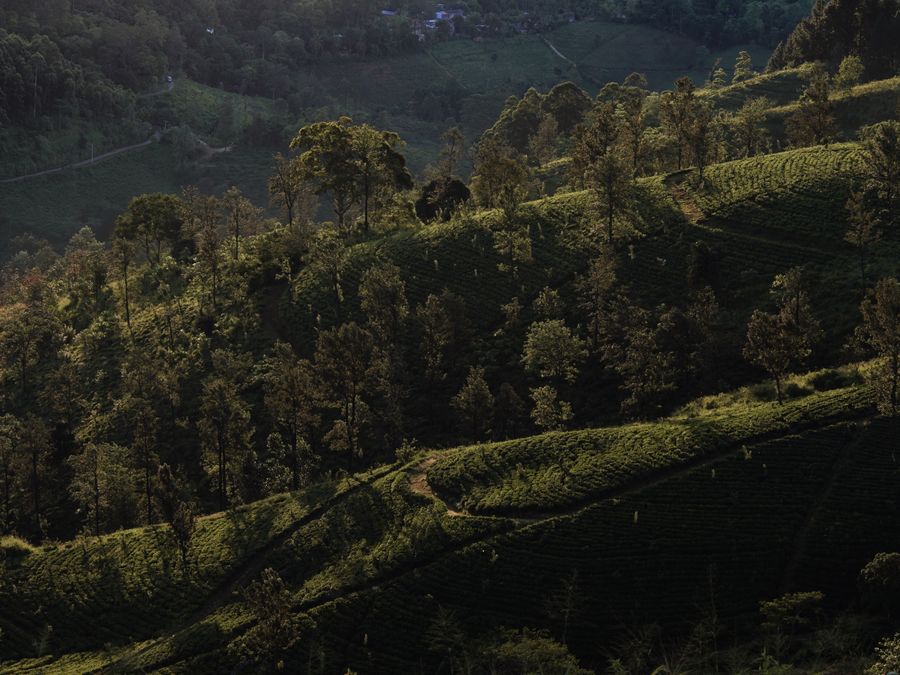
A working plantation town among reservoirs and tea slopes, and the usual starting point for the night climb up Adam's Peak.
Hatton sits between the Castlereagh and Maskeliya reservoirs, surrounded by estates whose colonial planters' bungalows now take guests. Between December and May, pilgrims and walkers set out from nearby Nallathanniya in the small hours to reach the summit of Adam's Peak in time for sunrise over the shadow of the mountain.
 Hill Country
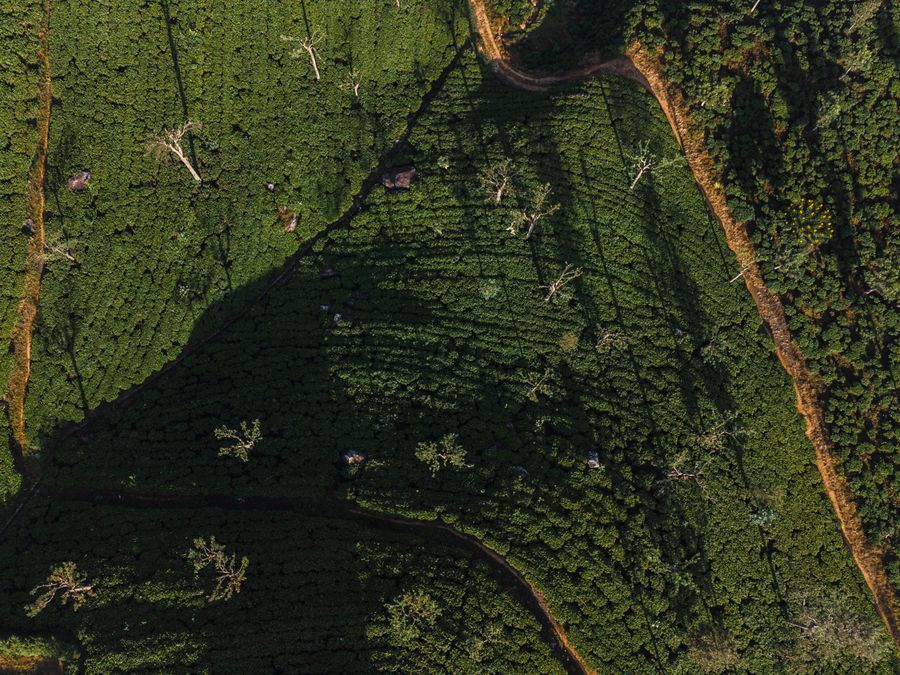
A town built along a narrow ridge, with tea estates falling away on both sides and, on a clear morning, a view that reaches the southern coastline.
The Dambatenne factory above the town was built by Thomas Lipton, and the track behind it climbs to Lipton's Seat, the lookout where he is said to have surveyed his estates. Cloud moves across the ridge all day, so the view comes and goes — which is why people get up before dawn for it. Quieter and less built-up than Nuwara Eliya.
Region three
The coast from Bentota down to Tangalle is where most Sri Lanka trips finish: calm swimming bays, a Dutch walled town, whale watching in season and long stretches of sand with very little on them. This side of the island is at its best roughly between November and April.
Six destinations
 South & West Coast
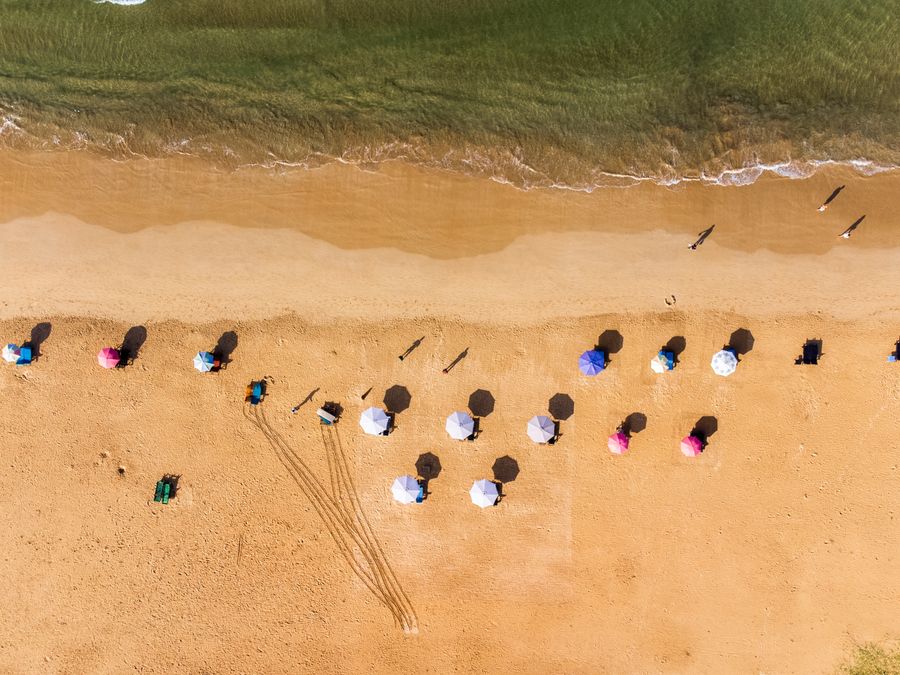
A resort beach where a wide river meets the sea — watersports on the calm lagoon side, open ocean on the other.
Bentota is the easiest beach to reach from Colombo and the most set up for families: boat trips up the Bentota Ganga through mangrove, windsurfing and jet skis at the river mouth, and ethical turtle hatcheries along the coast road. Two of Geoffrey Bawa's gardens, Lunuganga and Brief Garden, are a short drive inland.
 South & West Coast
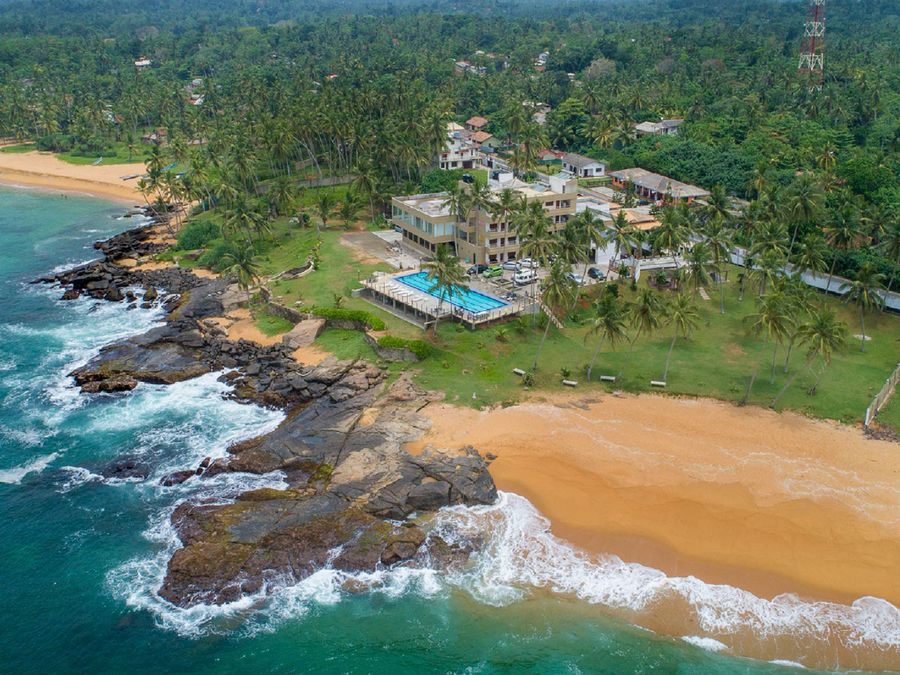
A long sweep of beach fronting a shallow coral sanctuary, with reef snorkelling straight off the sand and a dependable surf break.
The marine sanctuary sits just offshore, so the snorkelling and diving start a few metres out — glass-bottom boats run for anyone who would rather stay dry. The town is relaxed and low-rise, with a sea-turtle hatchery at the southern end and a beach that gets livelier as the afternoon goes on.
 South & West Coast
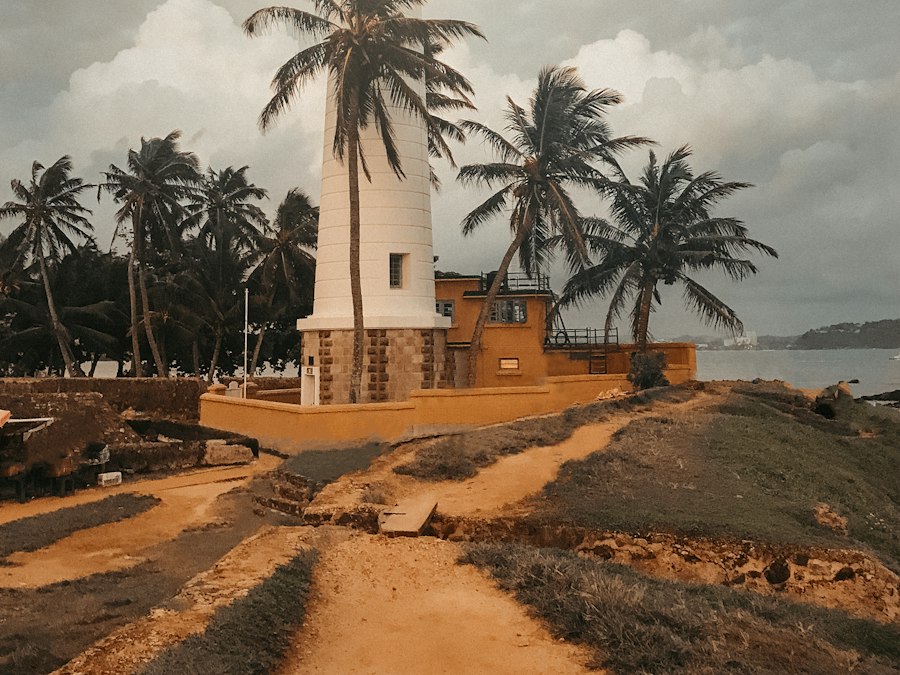
A Dutch-built walled town on a headland, with ramparts you can walk the whole way around and a grid of old streets inside.
Galle Fort is lived in rather than preserved behind glass. Dutch and British-era houses now hold cafés, gem shops and small hotels, and the lighthouse on the corner of the ramparts is the photograph everyone takes. The walk around the walls is best in the last hour before sunset, when the light drops and a cricket match usually starts on the green.
 South & West Coast
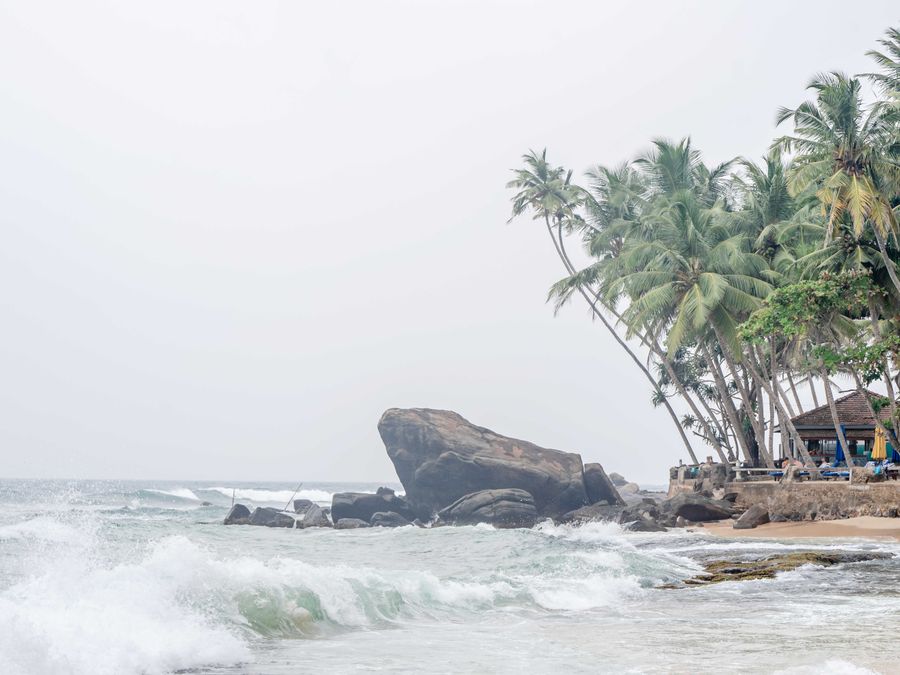
A sheltered crescent bay just around the headland from Galle, with calm water that makes it one of the safer places to swim on this coast.
The reef across the mouth of the bay takes the force out of the waves, so the water stays gentle through most of the season. A short walk over the point brings you to the white Japanese peace pagoda above the sea, and a little further on to Jungle Beach, a pair of small coves below the forest. Galle Fort is ten minutes away.
 South & West Coast
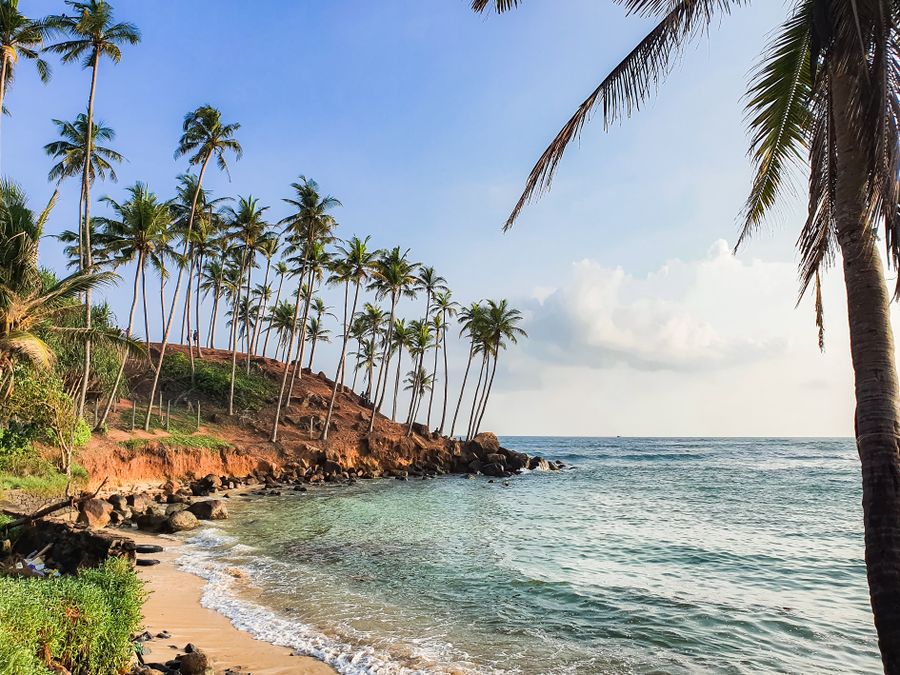
A small palm-backed bay that is the main departure point for blue whale and dolphin watching off the southern coast.
Boats leave the harbour early in the morning between roughly November and April, when blue whales and sperm whales pass close to the continental shelf a few miles out. Back on land it is a compact beach with a headland at the eastern end — Coconut Tree Hill — and a row of places along the sand serving the morning's catch.
 South & West Coast
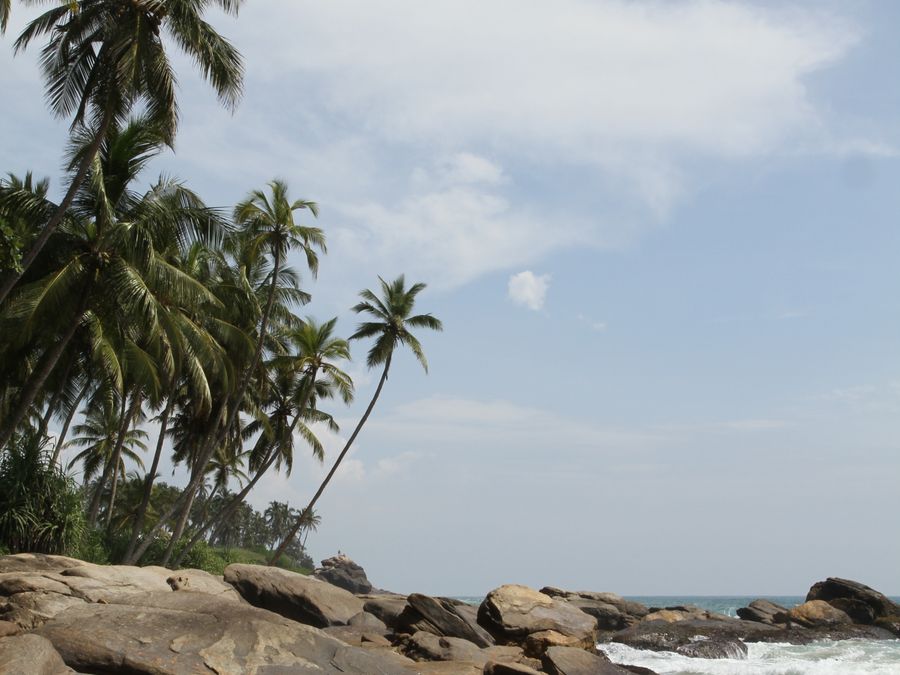
The quiet end of the south coast: wide, largely empty beaches, rocky coves and a protected turtle nesting shore a few kilometres away.
Development thins out past Tangalle, so the beaches here run long and often close to deserted. The open-ocean stretches have a strong undertow and are better for walking than swimming, while the coves hold calm water. Rekawa nearby is a protected nesting beach where turtles come ashore after dark, and the rock temple at Mulkirigala is a short drive inland.
Region four
The east runs on the opposite calendar to the rest of the island. Roughly May to September, when the southwest monsoon is washing out Galle and Mirissa, the sea off Trincomalee and Arugam Bay is flat, clear and warm. Three destinations, three quite different reasons to make the drive.
Three destinations
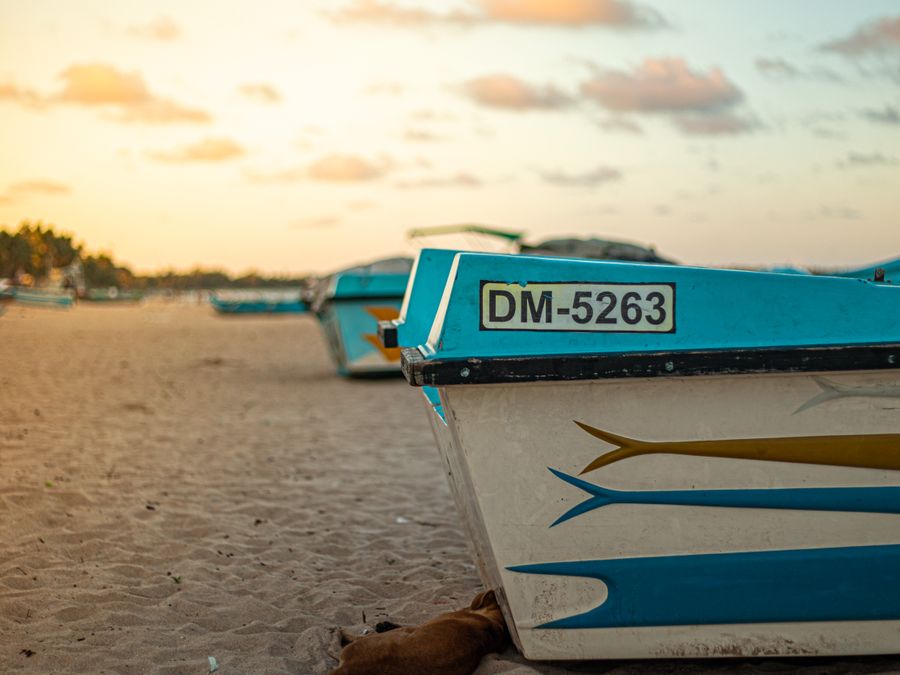 East Coast
One of the great natural deep-water harbours, with a cliff-top Hindu temple, white-sand beaches north of town and snorkelling off an offshore island.
Koneswaram temple stands on Swami Rock at the end of the headland, directly above the harbour. The beaches at Uppuveli and Nilaveli are a short drive north, and boats run from Nilaveli across to Pigeon Island for reef snorkelling. Whale and dolphin watching here happens in the opposite season to the south coast, roughly May to September.
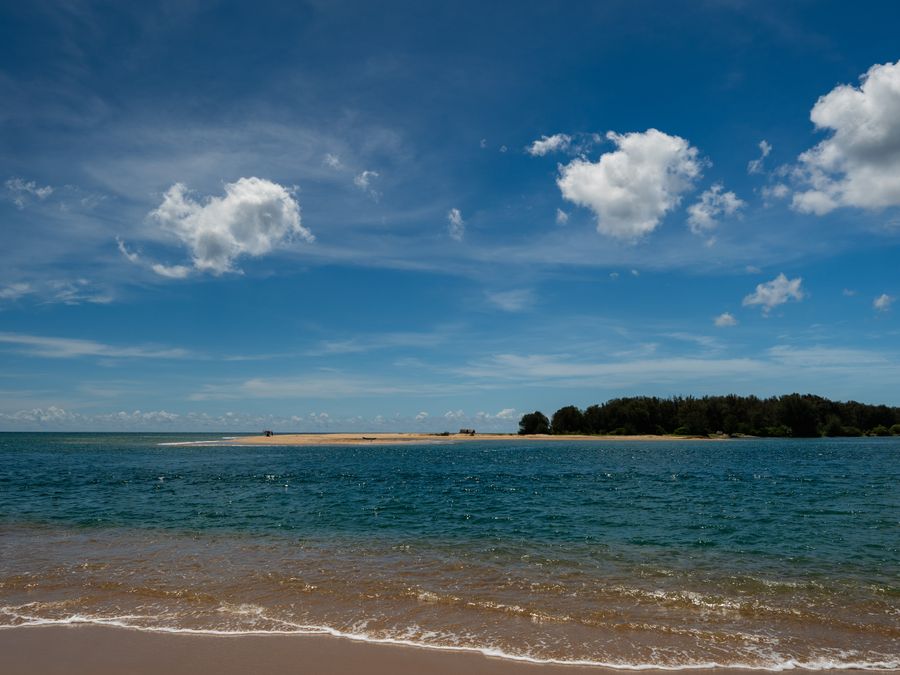 East Coast
A wide, shallow bay protected by a reef, where the water stays waist-deep a long way out and almost never has waves.
Passikudah is about the calmest swimming on the island, which is why the bay has filled with resorts — the reef sits far enough offshore to flatten the sea completely. Kalkudah, the longer and emptier beach on the other side of the headland, is a few minutes away, and Batticaloa with its lagoon is half an hour south.
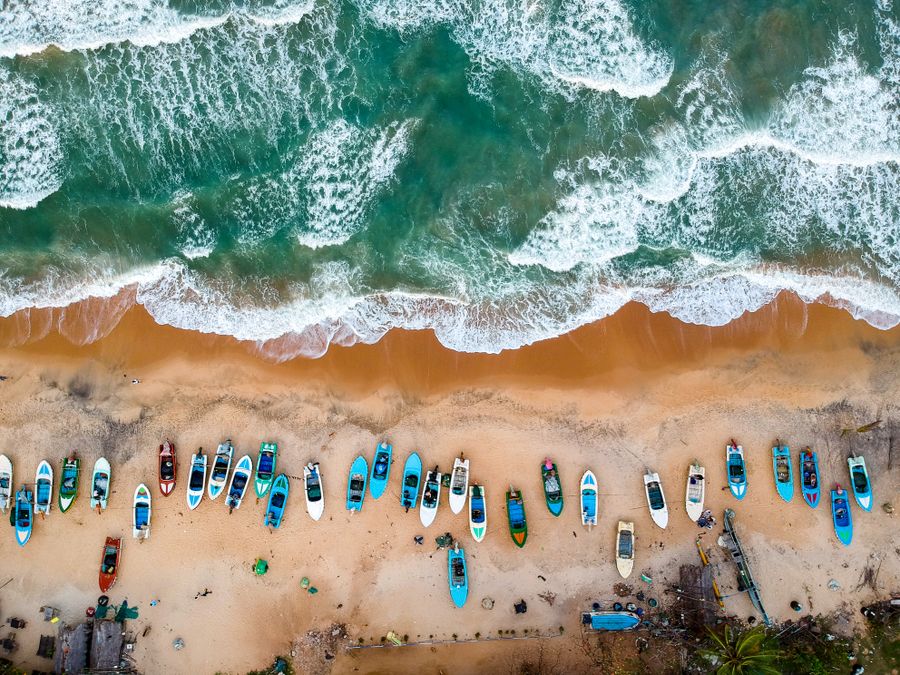 East Coast
A long right-hand point break on the south-eastern corner of the island, and the centre of Sri Lankan surfing between April and October.
The main point is the draw, but there are gentler breaks up and down the coast for anyone learning, and the village itself stays low-key. Arugam Bay is also the closest base to Kumana National Park — known for its birdlife and far quieter than the parks in the south — and to the lagoons around Lahugala, where elephants come out to graze in the evening.
Region five
The far north is a different island — flat, dry, palmyrah-covered and Tamil-speaking, with its own food, its own temples and a chain of small islands trailing off the western edge. Both the road and the railway now run all the way up, which makes it a realistic addition to a longer itinerary.
One destination
The North
The northern tip of Sri Lanka: limestone-flat, dotted with palmyrah palms, and culturally closer to South India than to anywhere else on the island.
Jaffna town is built around the Nallur Kandaswamy temple and a Dutch fort on the lagoon. Beyond it the peninsula runs out into the Palk Strait through a string of islands — Kayts, Nainativu and Delft, where feral ponies still graze the scrub. Keerimalai has a freshwater spring beside the sea, Point Pedro is the northernmost place in the country, and the cooking, heavy on crab and palmyrah, is unlike anything in the south.
Region six
Almost every trip begins and ends here. Negombo is ten minutes from Bandaranaike International Airport; Colombo is an hour further south and the commercial capital of the country. Both are worth more than a transfer, and both work well as a first or last night.
Two destinations
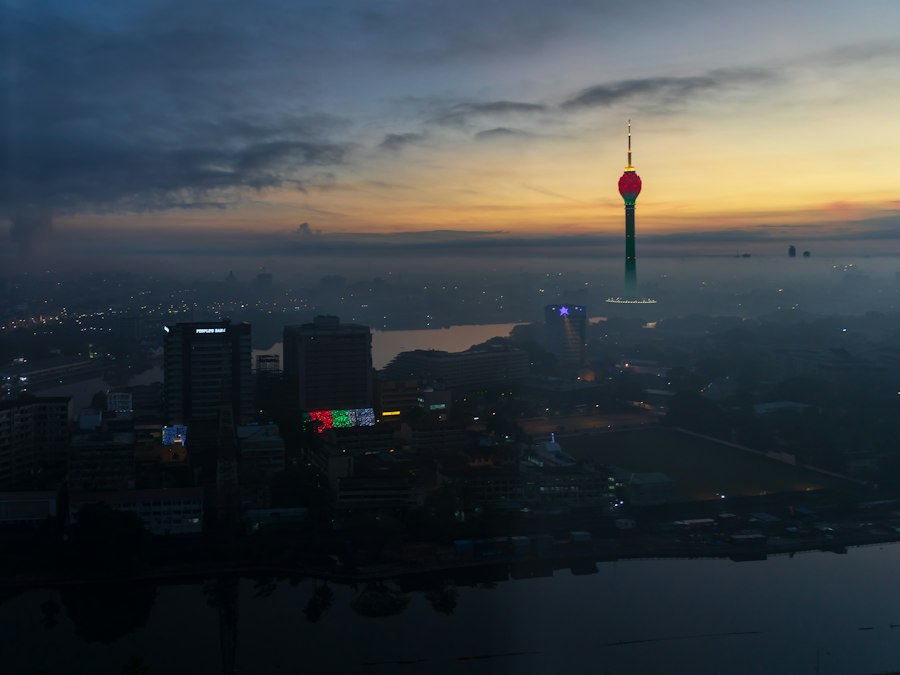 Gateway city
The commercial capital: a working port city of colonial arcades, Buddhist and Hindu temples, crowded markets and a new skyline along the seafront.
Colombo rewards a half day with a driver: the Pettah bazaar district and the red-and-white Jami Ul-Alfar mosque, Gangaramaya temple, Independence Square, the restored Dutch Hospital precinct, and Galle Face Green at dusk when the whole city comes out to eat. It is also the best place in the country to see Geoffrey Bawa's architecture, including the city house he lived in.
 Gateway city
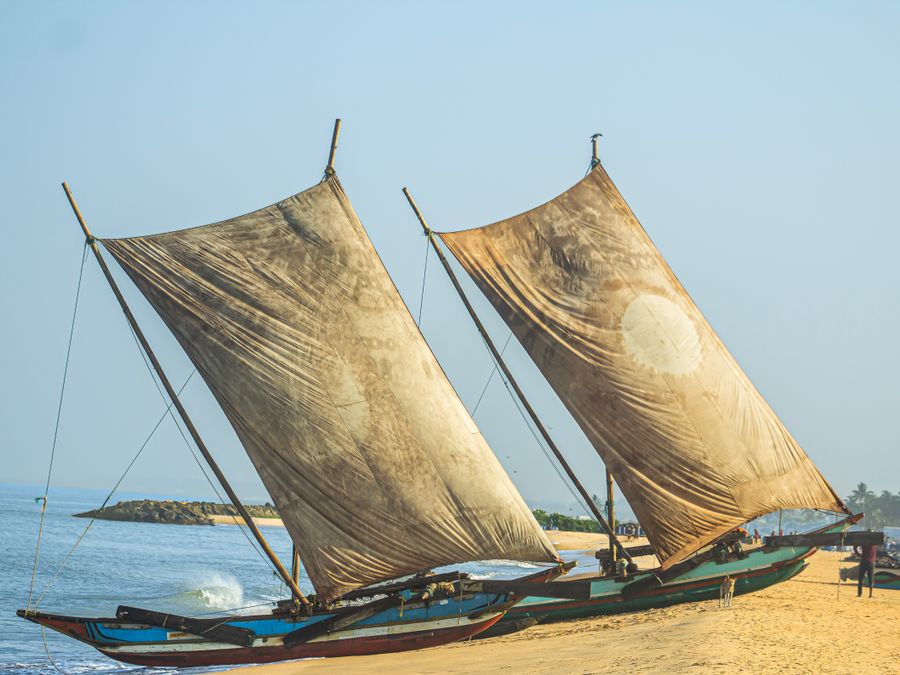
A fishing town on a lagoon ten minutes from the international airport — the obvious first and last night of almost any itinerary.
Negombo has a working fish market, a Dutch-era canal running behind the beach, and a fleet of outrigger sailing boats that still goes out every morning. Lagoon fishing trips, a long flat beach and a strong Catholic heritage of churches make it an easy, unhurried place to land in after a long flight or to spend a last evening before one.
Ready-made routes
Every one of our tours is private and adjustable, so treat these as starting points rather than fixed packages. Pick the closest match and we will change the route around the places you actually want.
Popular tours
The round-island route, seven to fourteen days: Cultural Triangle, hill country and the south coast in one loop.
View this tour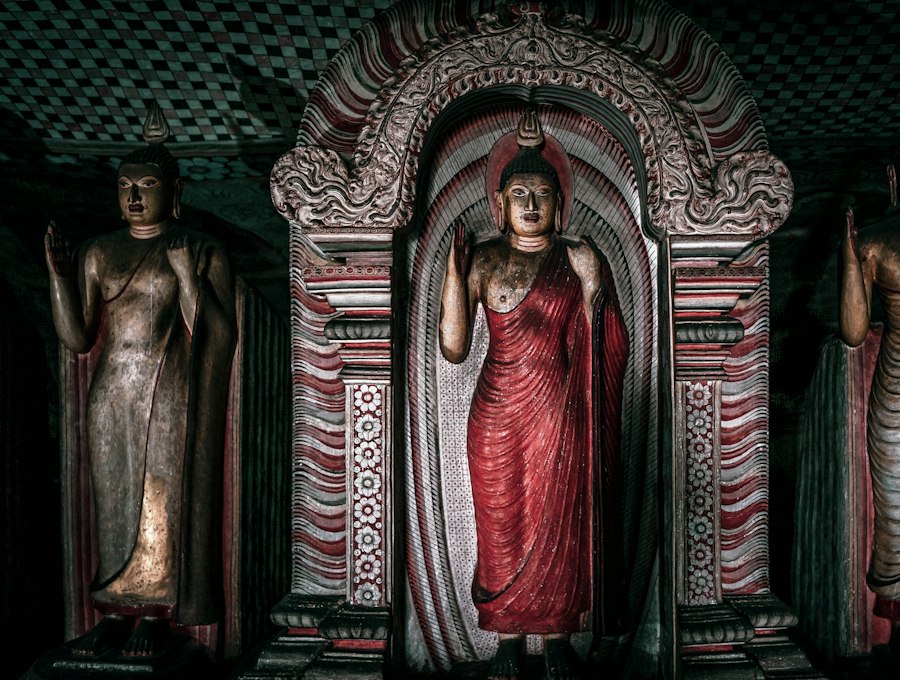
Culture & heritage
Built around the ancient cities and the kingdoms that followed them — Anuradhapura, Polonnaruwa, Sigiriya, Dambulla, Kandy and Galle.
View this tour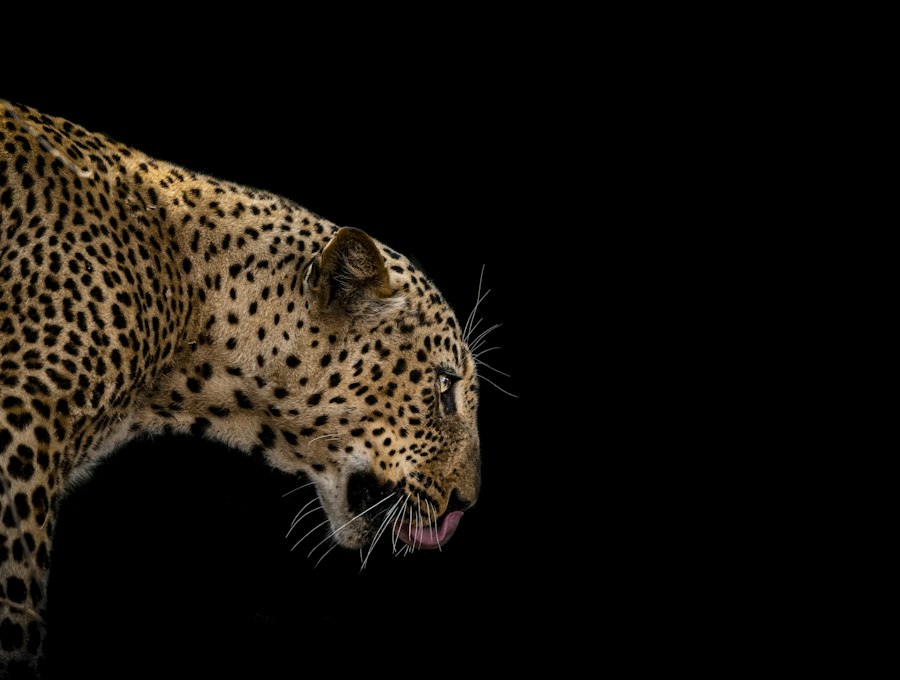
Wildlife & nature
Jeep safaris from a Habarana base, the southern parks, rainforest walks and bird watching, with time on the coast in between.
View this tour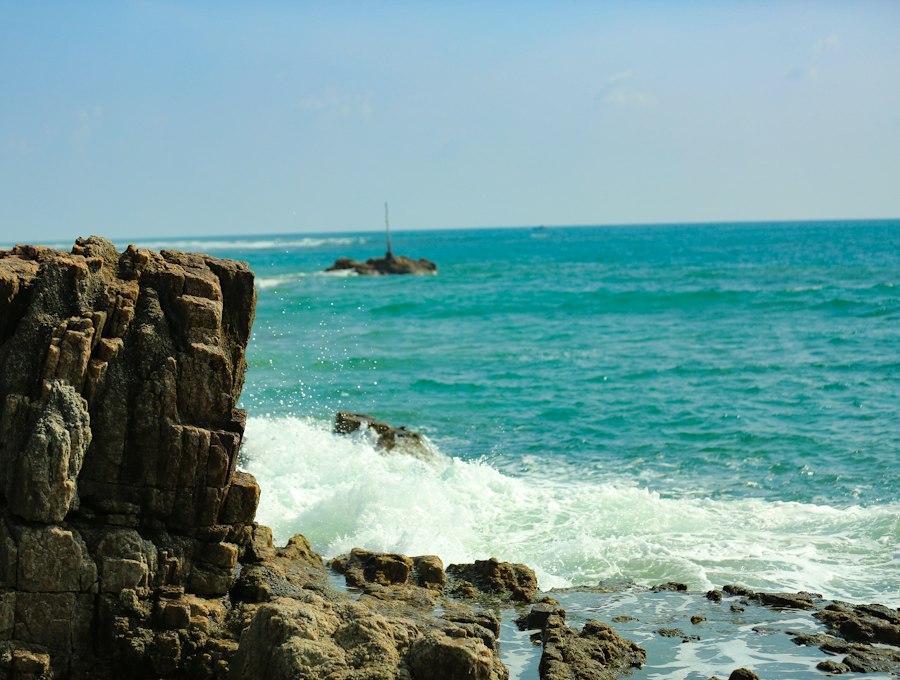
North & east
Jaffna, Trincomalee and Arugam Bay — the quieter half of the island, and the right choice for a trip between May and September.
View this tour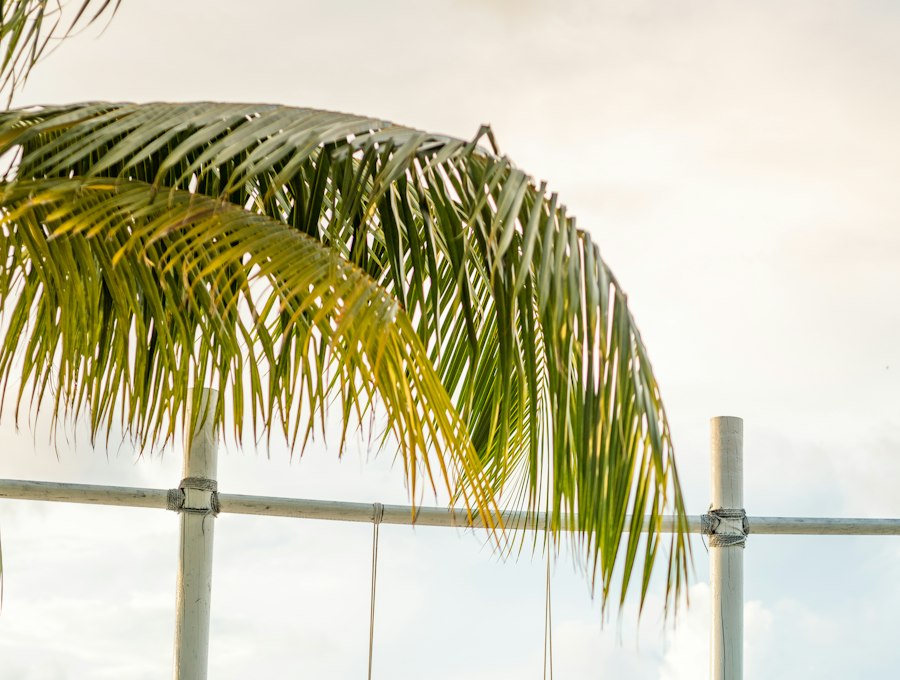
Romantic
Plantation bungalows in the hills, the train down to Ella and a long finish on the south coast at Mirissa or Tangalle.
View this tour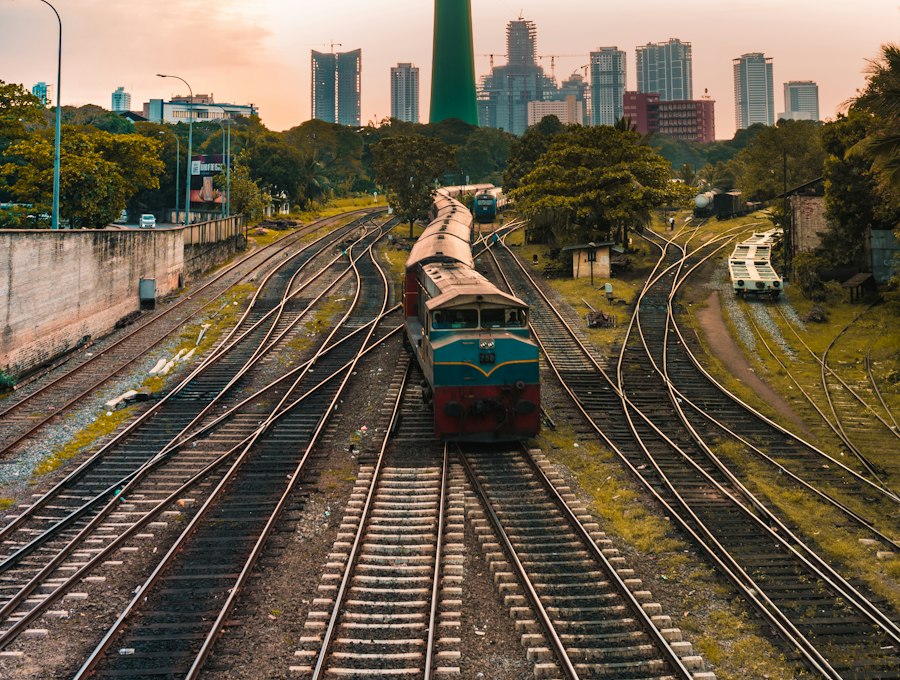
Short stays
One to three days for layover passengers, built around Negombo and Colombo with time kept back for the flight.
View this tour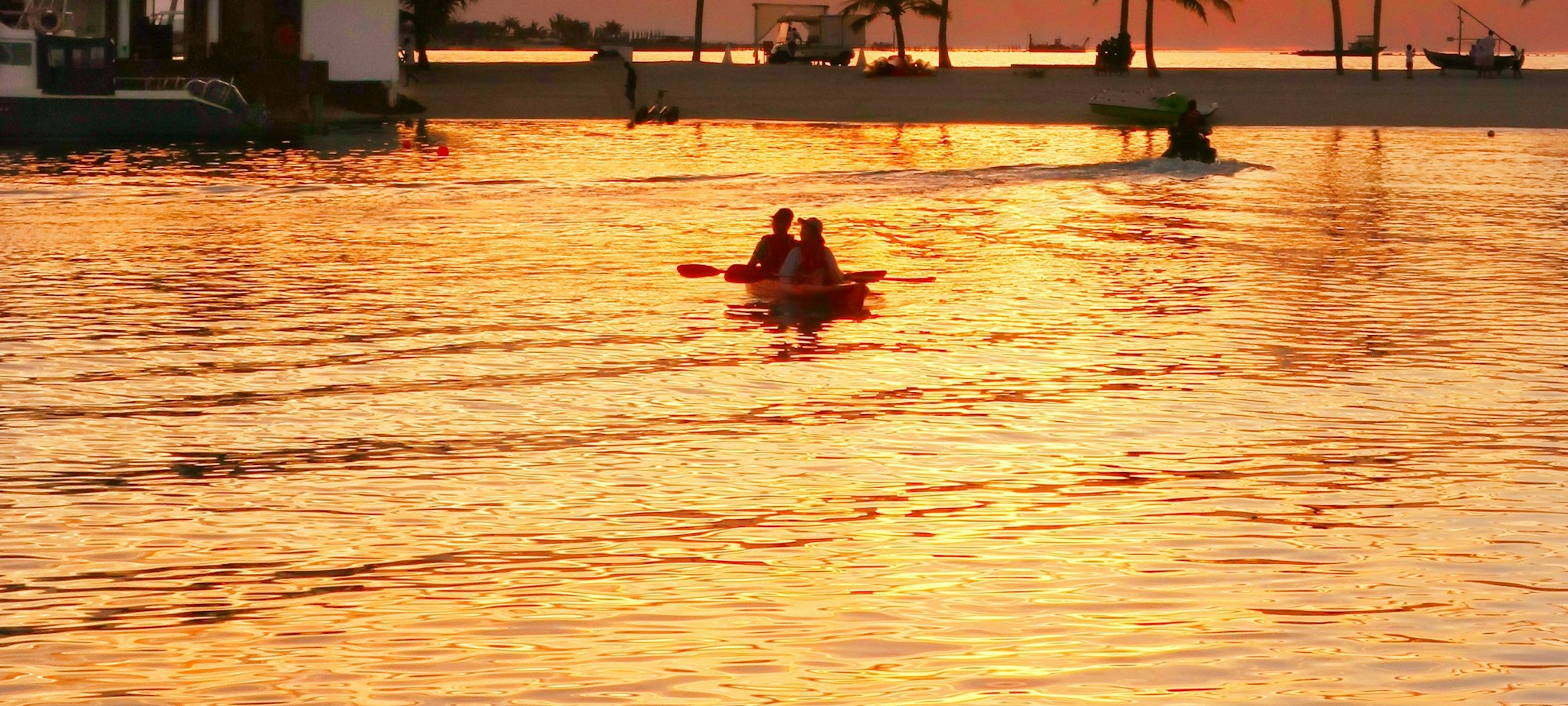
Build your trip
Send us the destinations that matter to you — three of them or fifteen — and we will turn them into a workable route with sensible driving days, the right season and somewhere good to stay at each stop. We live here, so we will also tell you honestly when something does not fit.
A real person in Sri Lanka, not a chatbot. Message us with your dates, the places on your list and roughly how long you have.
Message us on WhatsApp